Corgi Obsessed: Crafting with Premium SVG & PNG Files
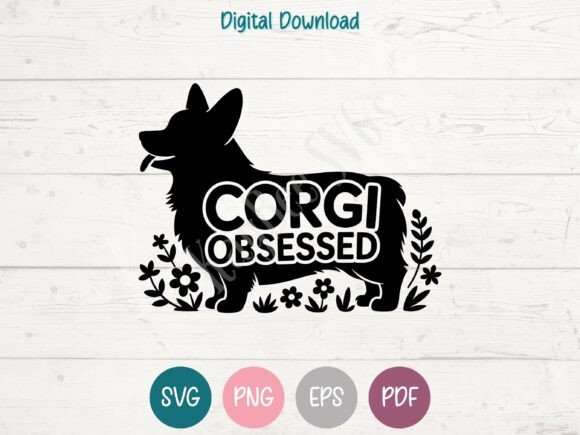
Every successful creative project begins with a spark of inspiration, but bringing that vision to life requires more than just an idea—it demands the right tools. For makers, designers, and entrepreneurs, the quality of your digital assets directly influences the quality of your final product. This is where a thoughtfully prepared Corgi Obsessed SVG PNG EPS PDF Design becomes more than just a file; it becomes a cornerstone of your creative workflow, ensuring your projects look polished and professional from the first cut to the final print.
The Anatomy of a Professional Design Asset
Not all design files are created equal. A professional asset like the Corgi Obsessed design is built with intention, focusing on the core principles that matter to makers: scalability, clarity, and versatility. Understanding these elements helps you select resources that will reliably perform across your entire project portfolio.
Why File Format Matters
The included formats—SVG, PNG, EPS, and PDF—each serve a specific purpose in modern design and production workflows. Choosing the right one for your task is the first step toward a flawless result.
- SVG (Scalable Vector Graphics): The industry standard for cutting machines like Cricut and Silhouette. SVGs are resolution-independent, meaning they can be scaled to any size without losing quality, ensuring crisp, clean cuts every time.
- PNG (Portable Network Graphics): Ideal for digital applications and printing. A high-resolution PNG with a transparent background allows for seamless layering in photo editing software, perfect for creating mockups, social media graphics, or sublimation prints.
- EPS (Encapsulated PostScript): A versatile vector format compatible with advanced design software like Adobe Illustrator. It's excellent for professional print workflows and further customization.
- PDF (Portable Document Format): Ensures your design is viewable and printable across virtually any device or printer, maintaining its intended layout and quality.
Practical Applications for Creative Projects
A cohesive and well-crafted design asset unlocks a world of creative possibilities, serving as a foundational element for a wide range of applications. Its consistent style helps build a recognizable visual language, whether for a personal brand or a commercial product line.
Strengthening Brand Identity & Marketing
For small businesses and creators, a consistent visual identity is crucial. A charming character like an obsessed corgi can become a memorable brand mascot. Use the vector files to create a custom logo, then apply the same design across your marketing materials—from business cards and thank-you notes to email headers and promotional flyers. This repetition builds brand recognition and communicates a cohesive aesthetic to your audience.
Enhancing Digital Presence and Merchandise
In the digital realm, engaging visuals are key. The Corgi Obsessed design can be adapted into eye-catching social media posts, website banners, or even custom stickers for digital planners. Beyond the screen, these files are perfect for creating physical merchandise. Imagine the design on apparel, tote bags, mugs, or printable art prints. The clean, scalable nature of the files ensures that whether you're printing a small label or a large poster, the detail and integrity of the artwork remain perfect.
Integrating into Editorial and Packaging Design
Thoughtful illustration can elevate any project. In editorial layouts, a well-placed graphic can break up text and add visual interest. For product-based businesses, custom packaging creates an unforgettable unboxing experience. The design's versatility allows it to be adapted for box sleeves, tissue paper, or custom labels, adding a unique, handcrafted touch that customers appreciate.
Tips for Selecting and Using Design Assets
Integrating external assets into your work requires a discerning eye. To ensure a seamless and professional outcome, consider these factors when choosing and implementing a new design element.
- Evaluate for Consistency: Look for assets that have a consistent line weight, color palette, and level of detail. This makes them easier to integrate into existing projects and brand systems without looking out of place.
- Test for Scalability: Before committing to a large print run or a full website integration, test the file at various sizes. A high-quality vector file should remain sharp and clear whether it's an icon or a poster.
- Consider Your Workflow: Choose files that are organized and easy to import into your preferred software, whether it's a cutting machine program, Adobe Creative Suite, or Canva. Clean files save time and reduce frustration.
- Align with Your Audience: Ensure the style, tone, and subject matter of the design resonate with your target demographic. A playful illustration is perfect for a family-oriented brand but might need a more subdued approach for a luxury product.
Ultimately, the value of a high-quality creative asset lies in its ability to bridge the gap between your imagination and a tangible, polished product. By choosing designs that are built with care—prioritizing technical precision, aesthetic cohesion, and practical versatility—you empower yourself to create with confidence. This thoughtful approach to sourcing your tools not only enhances the visual impact of your work but also streamlines your entire design workflow, allowing you to focus on what you do best: bringing unique and wonderful ideas to life.